Water line installation is a critical process that ensures clean and safe water accessibility for homes and businesses. It involves detailed planning and execution to lay down the necessary piping that delivers fresh water from municipal supplies or private deep wells. Proper installation not only enhances water flow but also minimizes the risk of leaks and contaminants, making it crucial for property owners to choose experienced professionals for the job. If you need experts in your area, to get started.
Understanding the intricacies of water line installation can help you make informed decisions and avoid pitfalls. This guide explores essential aspects, including preparation, cost, and steps to ensure a smooth installation experience. Each section dives deep into considerations and best practices, providing you with a comprehensive overview of the process involved in installing water lines effectively learn more.
Frequently Asked Questions
What is Water Line Installation?
Water line installation involves the systematic laying of pipes designed to deliver safe drinking water from its source to various places within a building. This task requires an organized approach that includes meticulous planning, excavation of the installation area, careful selection of materials, and the adoption of proper connection techniques to ensure longevity.
How do I choose a Water Line Installation provider?
In order to select a service provider, it is crucial to evaluate their track record, read feedback from previous clients, verify their licensing credentials, and understand the warranties they provide. It’s also beneficial to request quotes from several contractors to make an educated comparison, and to seek out references that demonstrate their professional reliability.
How much does Water Line Installation cost?
Installation expenses generally range from $1,500 to $5,000. Various factors can influence these costs such as the complexity and scale of the installation project, the material selections made, and the necessity for any additional site preparation or restoration work.
In the context of Water Line Installation, prioritize concrete results, clear documentation, and the compatibility of approaches with your market demands and timeline. Be cautious of non-specific pledges lacking a measurement framework.
Clarify how advancements will be monitored, which services are mandatory against optional enhancements, and how the provider will shift strategies in the event of stagnation in traffic or rankings. Having a documented agreement on the scope of work ahead of any financial outlay protects everyone involved.
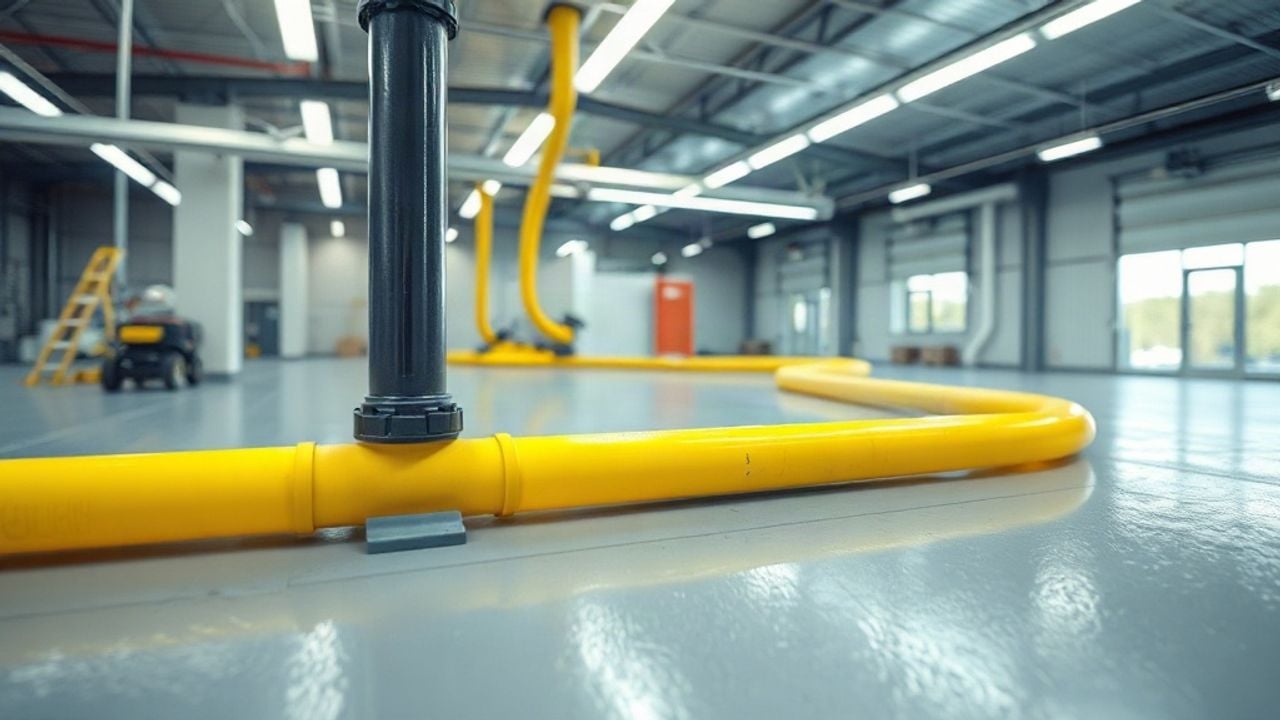 Roy best Water Line InstallationRoy best Water Line Installation
Understanding the Water Line Installation Process
The initial phase of water line installation involves a comprehensive evaluation of the installation site to identify the most efficient layout for the piping. This stage includes excavating trenches where the new water lines will be laid. Adhering to local regulations is vital, as most jurisdictions require necessary permits to ensure safe practices and compliance with building standards. Before proceeding with the installation, assessing the soil type is crucial because it can influence the choice of pipe materials. For example, if the terrain consists of rocky soil, more robust pipeline materials may be necessary compared to softer soil types. Additionally, site complexity, including existing structures like septic systems or drainage systems, significantly impacts the planning and execution of the installation.
Choosing the Right Materials
After completing the planning phase, the next essential step is the selection of appropriate materials. Common options for water lines are PVC (Polyvinyl Chloride), PEX (Cross-Linked Polyethylene), and copper piping. Each of these materials presents unique benefits: PVC piping is lightweight and highly resistant to corrosion, PEX is flexible, making installation more adaptable and less susceptible to freezing, while copper is revered for its strength and durability. Consulting a reliable water line installation expert can help you navigate through the material choices tailored to your unique landscape, ensuring efficient water delivery and long-lasting performance.
Cost Considerations for Water Line Installation
The cost of water line installation can vary widely based on multiple factors, including the distance of the installation, materials used, and the complexity of the project. On average, homeowners might expect to pay between $1,500 to $5,000 for a complete installation, which covers labor, materials, and required permits. Additional costs can arise from excavating existing landscaping or handling complex routes that navigate around obstacles such as trees or existing utilities, including drainage pipes or septic systems. It's wise to obtain multiple quotes and ensure that each estimate includes a detailed breakdown of costs to avoid unexpected expenses during the project.
Ongoing Maintenance and Future Planning
To ensure the optimal functioning of installed water lines, regular maintenance is essential. Homeowners should routinely inspect for any signs of leaks or variations in pressure, which may signal underlying plumbing issues. Additionally, it is wise to maintain a detailed record of the installation process, noting the materials used and the installation date for future reference. Should you choose to enhance your plumbing network or incorporate features such as a french drain system, having this documentation on hand will facilitate the seamless addition of new elements. Moreover, qualified installation experts can offer valuable advice on how to care for your plumbing and address any repairs, thereby ensuring your water supply operates efficiently for the long term.
For a thorough examination of water systems, check out this water supply topic. It presents an extensive overview of the different components involved in water delivery and piping, serving as a fantastic resource for anyone eager to expand their knowledge.
Best Practices for Water Line Installation
Hiring certified professionals for water line installation ensures adherence to local building codes and regulations, minimizing future problems.
- Always check with local authorities for any specific codes or standards that apply to water line installations.
- Ensure the contractor is licensed and has experience with projects similar to yours for improved reliability.
- Look for recommendations and reviews from previous customers to gauge the contractor's reputation in the area.
- Discuss warranty options and post-installation service agreements to cover potential issues.
- Consider installing a shut-off valve to control water flow in emergencies, enhancing safety for the property.
Installing a water line is crucial for providing a consistent supply of clean water to your home. Understanding the installation steps, associated costs, and ongoing maintenance can aid in making well-informed choices that safeguard your investment while ensuring durability. Hiring qualified professionals assures adherence to local regulations and provides reassurance from high-quality workmanship.
Carefully consider your alternatives, keeping in mind that a properly installed water line represents a valuable enhancement to your property's safety and future.
In the assessment of water line installation, prioritize tangible evidence of success, transparent communication, and whether the methods align with your expectations and timeline. Be cautious of vague assurances that lack a defined measurement strategy.
Inquire about tracking progress, distinguishing between included services and optional extras, and how providers modify their techniques when performance lags. Establishing a written scope of work prior to any payment can safeguard both parties.